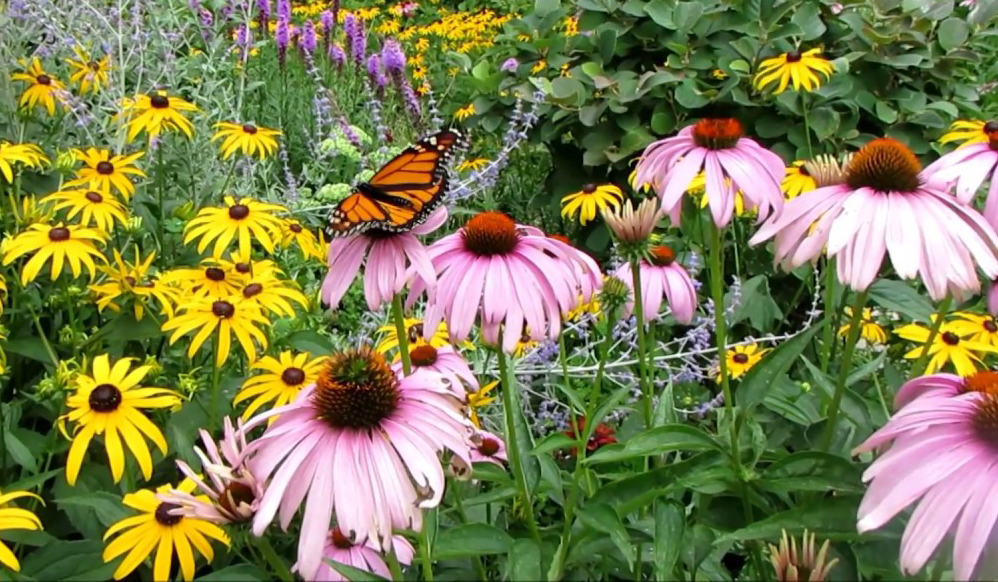
Pollinators are a diverse group of animals such as bees, flies, butterflies and moths that pollinate many of our food crops
and help maintain a healthy ecosystem. They are unfortunately facing many threats including climate change and
habitat loss. One of the best ways we can help them is by providing healthy, native habitat so they have an abundance of
pollen and nectar to feed on, places to nest and overwinter, and clean water sources free from pesticides. Connectivity
among habitats is also important for pollinators that access different resources and for migration with changing climate.
These habitat guides provide examples of pollinators across five habitat types and details about what to look for and
how to help them.
Click HERE to view and download the “Know Your Five” Pollinator Species Habitat Guide
Pollinator Week is an annual celebration in June dedicated to supporting pollinator health, initiated and led by the Pollinator Partnership. It’s a time to raise awareness about the essential role pollinators play in our ecosystems—and to inspire action to protect them.
This year, the Green Mountain Conservation Group (GMCG) is partnering with the Appalachian Mountain Club to host a Pollinator Week BioBlitz across the Ossipee Watershed and beyond.
A BioBlitz is a community science event where people work together to document species in a specific area over a set period of time. In this case, we’re focusing on pollinators—like bees, butterflies, moths, beetles, and other important species—and the plants they rely on.
Anyone can participate!
Simply join the project on iNaturalist and start observing. Participation is easy and accessible:
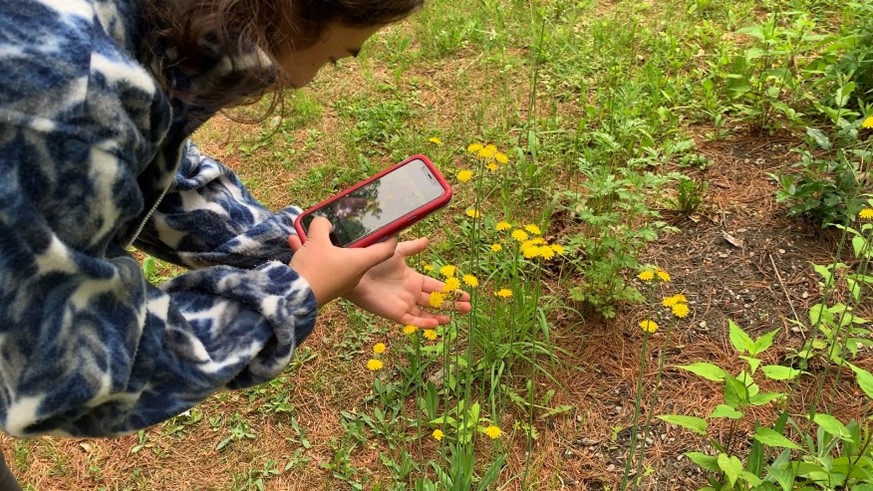
- Take photos of pollinators and the flowers they are visiting
- Upload your observations to iNaturalist
- Contribute to a growing dataset used by researchers and conservationists
Your observations will become part of the Pollinator Interactions on Plants (PIP) of the Northeastern U.S. project, helping scientists better understand pollinator-plant relationships and track changes in biodiversity over time.
You can participate from anywhere—your backyard, a town forest, a national forest, or any conservation land. Every observation, no matter how small, helps build a clearer picture of pollinator populations both locally and globally.
Learn more and join the project:
https://www.inaturalist.org/projects/pollinator-interactions-on-plants-pip-of-the-ne-us
Explore Pollinator Week:
https://www.pollinator.org/pollinator-week