GMCG is adding toxic metals education and testing to its drinking water program, GET WET! (Groundwater Education Through Water Evaluation and Testing), in area schools this year. GMCG has been leading the citizen science GET WET! program in local schools and libraries since 2009. The addition of toxic metals testing is made possible through the Science Education Partnership Award (SEPA) project, “All About Arsenic+: Communicating Data”. This collaborative public health project was initiated in 2015 by researchers at Mount Desert Island Biological Laboratory (MDIBL) and Dartmouth College’s Toxic Metals Superfund Research Program and is currently funded through the National Institute of Nursing Research and the New Hampshire Department of Environmental Services. Since 2019, the project has engaged 41 schools and 5,200 students, and connected 45 teachers with 22 Scientist Partners.
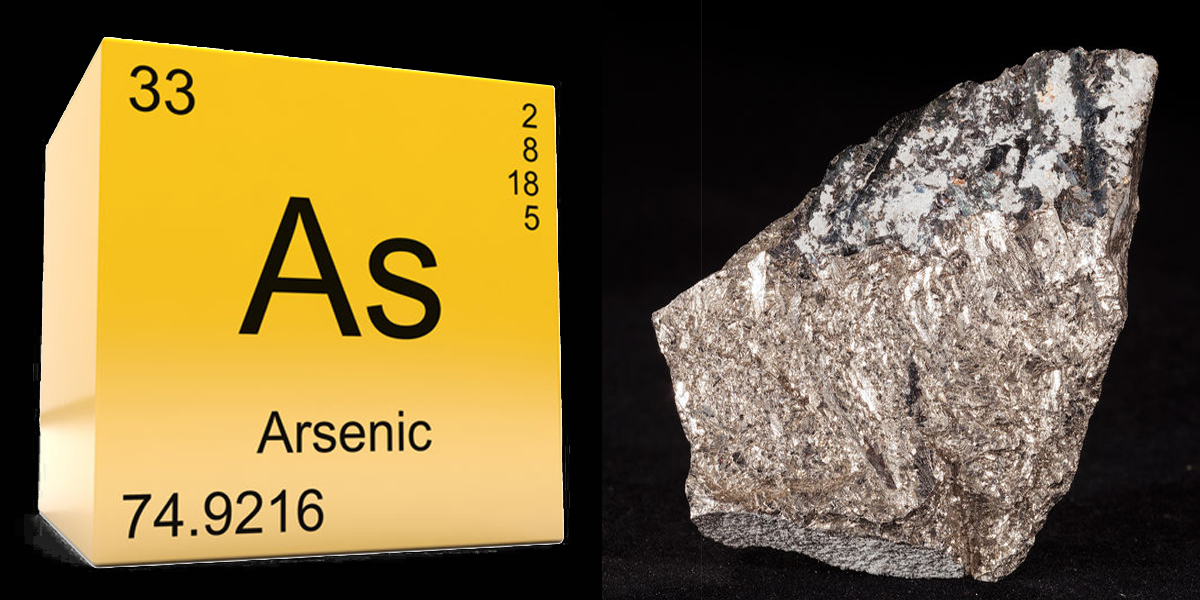 The project aims to engage teachers and students across Maine and New Hampshire in collecting drinking water from both public and private systems with a focus on multiple toxic metals, including arsenic, uranium, manganese, and lead. Nearly half of all Maine and New Hampshire households depend on private wells for drinking water. Private wells are not regulated, so it is up to the homeowner to routinely test their well water for possible contaminants. Due to the unique geology of Maine and New Hampshire, wells are often contaminated with toxic metals that are naturally found in the bedrock.
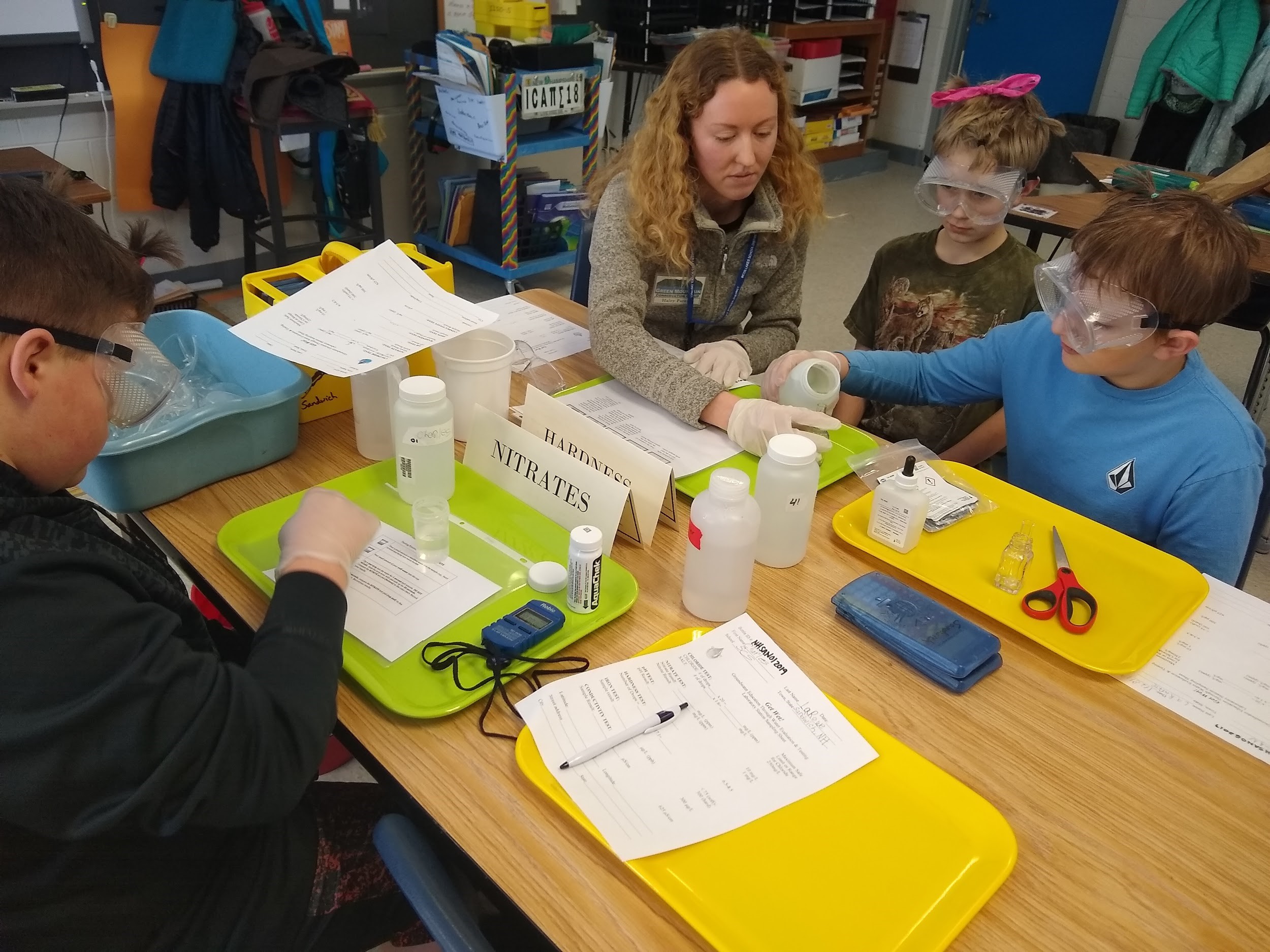 “It’s so important for households on private wells to test their water regularly,” says Amy Hudnor, Private Well Coordinator for the Drinking Water & Groundwater Bureau at NH Department of Environmental Services. “When you’re using a private well, you don’t have the benefits of those using public water system, where trained water operators are testing the water frequently and removing any contaminants found above health limits. NHDES is excited to be involved in this partnership in which private well testing is brought to the classrooms, empowering youth with the knowledge and experience to learn the common naturally occurring well water contaminants such as arsenic, and those common in household plumbing such as lead. Students are able to test their own well water and learn how to communicate that information to their parents and the wider community. It’s a natural fit to include well water testing into subjects like chemistry, biology and environmental science, bringing these topics home to the students in a way that’s very tangible.”
FMI about All About Arsenic+, visit www.allaboutarsenic.org. More information about this project and GMCG’s GET WET! program can be found on GMCG’s website, www.gmcg.org, and the public is invited to learn more at upcoming programs, both online and in person, listed on the website.